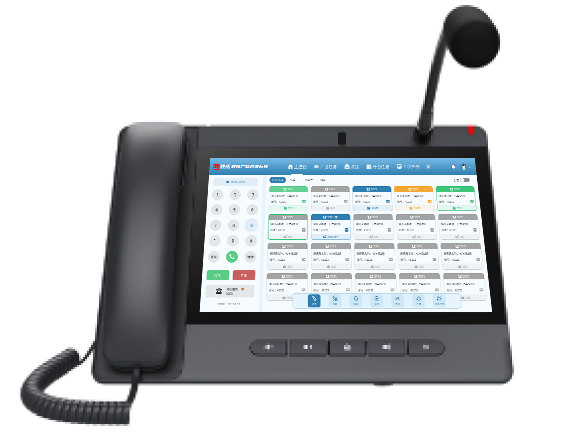
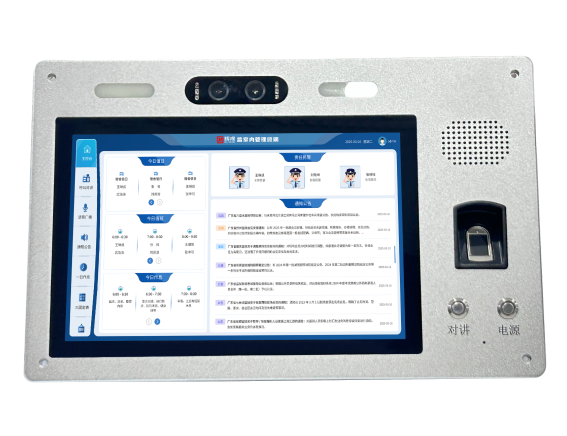
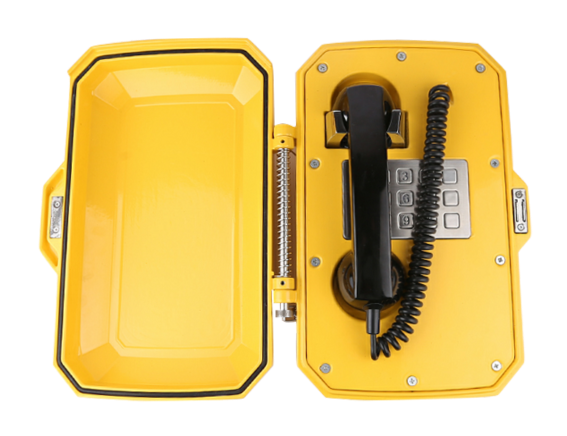
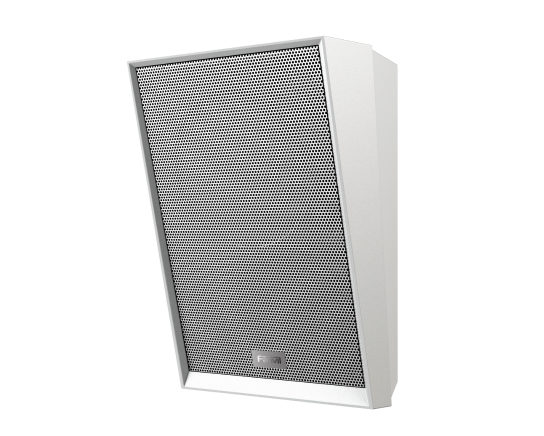
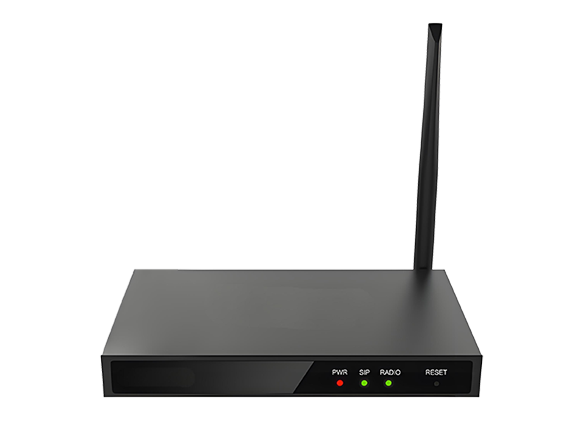
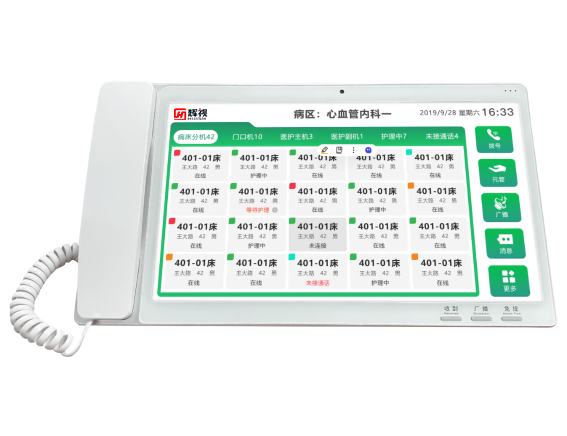
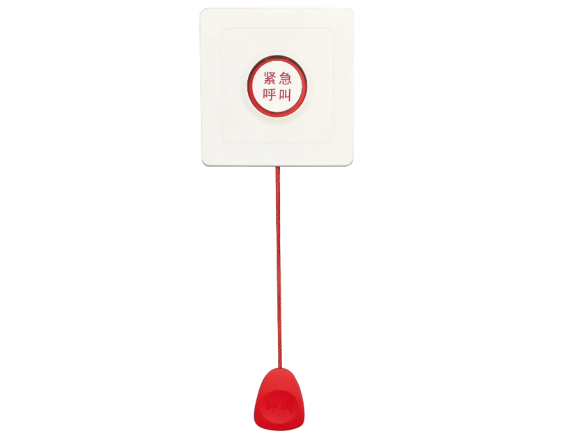
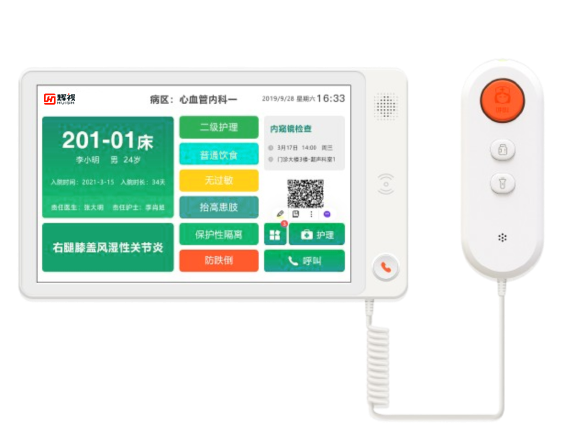
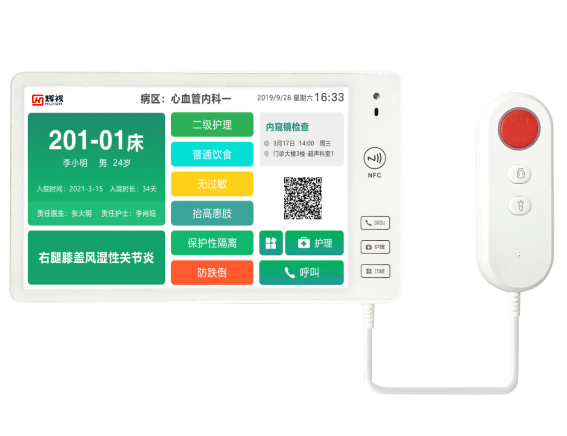
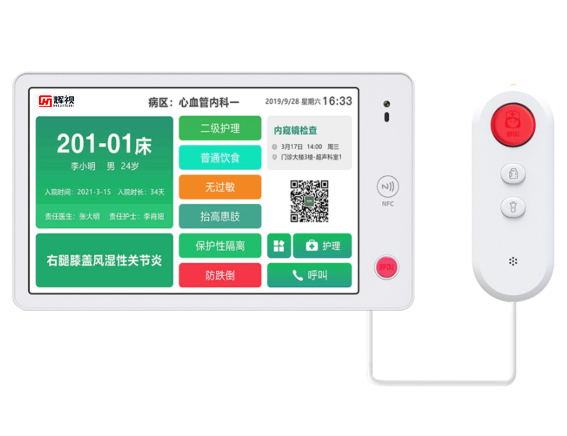
The bathroom emergency button is specifically designed for individuals experiencing sudden discomfort in restrooms, ensuring safety. Featuring a conspicuous appearance and anti-misoperation design, pressing it initiates an immediate emergency call to medical stations, duty rooms, and other terminals while simultaneously transmitting location information. Some models include audible and visual alerts to help nearby individuals respond promptly. Installation is straightforward, accommodating various restroom environments. Requiring no complex operation, it can be easily used by seniors, patients, and other groups, enhancing safety in restroom settings and reducing the risk of emergencies.
Beyond waterproofing, both the housing material and internal structure undergo moisture-resistant treatment. This enables the device to withstand prolonged exposure to high humidity in bathrooms, reducing component oxidation and aging. Consequently, it extends the equipment's lifespan and adapts to the demanding conditions of bathroom environments.
The LED flashes persistently until the alarm is cleared. This not only allows users to confirm the alarm status but also alerts nearby personnel to an urgent need at this location. It aids in quickly locating the assistance request, enhancing response efficiency.
Simultaneously supports remote alarm cancellation via the nursing station console. After medical staff confirm the situation and address the issue, they can cancel the alarm directly from the console, avoiding trips to the scene, saving time, and improving efficiency.
Whether released via prolonged on-site press or through the main unit, the operation logic is straightforward and clear. Requiring no specialized training, both users and medical personnel can quickly master it, preventing alarm release delays due to complex procedures.
Supports preset location codes (e.g., “3rd Floor Men's Restroom 1”). During an alarm, location information is transmitted synchronously alongside LED flashing alerts, enabling medical staff to quickly pinpoint the assistance location and minimize search time.
Complies with GB/T 17626.3-2016 anti-interference standards, resisting RF interference from hospital equipment. Ensures stable alarm signal transmission, preventing alarm failure or false triggering due to interference, and safeguarding reliable device operation.